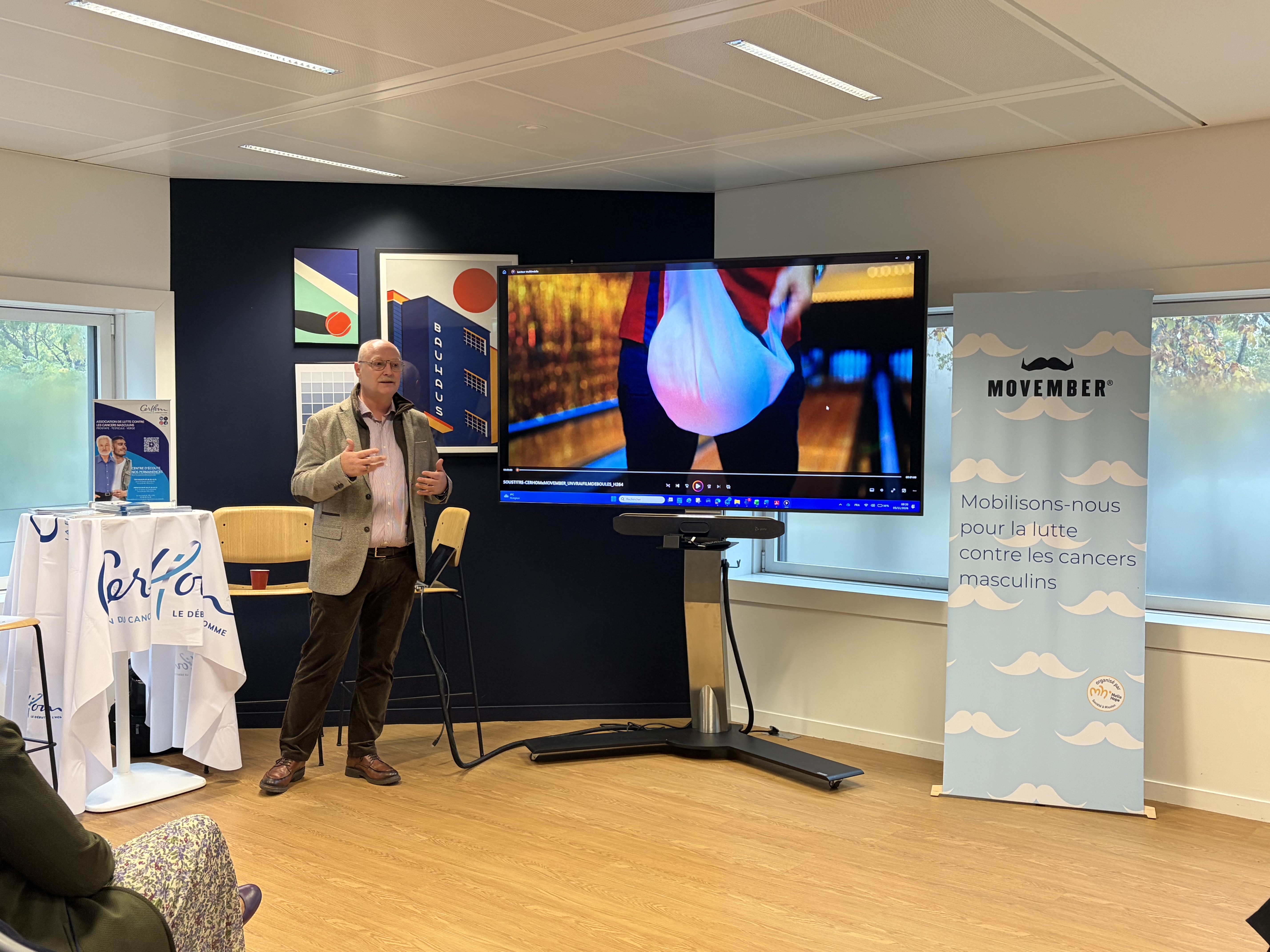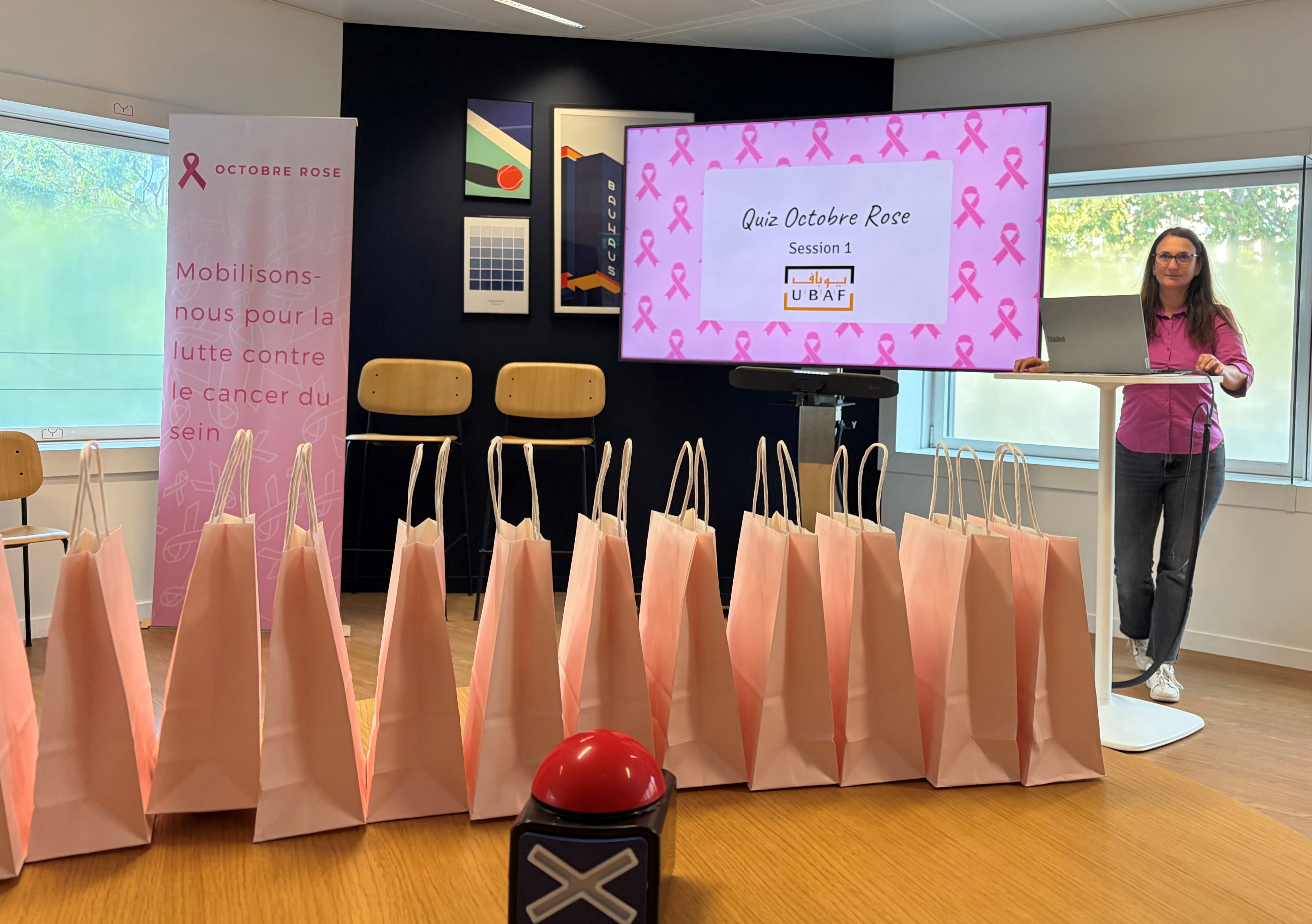


As part of the European Week for the Employment of People with Disabilities (SEEPH), held from 16 to 22 November 2026 and aimed at promoting professional inclusion and equal opportunities for people with disabilities, UBAF organised several awareness-raising activities for its employees.
Invisible disabilities: what are they?
In France, 80% of disabilities are invisible:
- chronic illnesses: diabetes, endometriosis, etc.
- mental health conditions: post-traumatic stress disorder, depression, etc.
- cognitive disorders: dyslexia, ADHD, etc.
- sensory impairments: severe tinnitus, heightened sensitivity to light, etc.
These are all everyday conditions that can affect a person either permanently or temporarily. Although these disabilities are not visible, they have a significant impact on the lives of those who experience them and can be difficult for others to understand.
What are the challenges in the workplace?
In the workplace, everyone is concerned: employees with disabilities, colleagues and managers alike:
- How can I have my disability recognised?
- How can I talk about my situation at work?
- What support measures can be put in place?
- How do you manage an employee with a disability?
- What is a working carer?
- What solutions are available to help employees remain in work when affected by a disability?
Answering these questions helps ensure inclusion and well-being at work for all employees.
What awareness-raising initiatives were carried out?
This campaign helped raise awareness among our employees through:
- An interactive activity led by our service provider Melia Hope to enable employees to test their knowledge and increase their awareness of invisible disabilities and workplace inclusion.
- A webinar delivered by our service provider Klesia entitled “Let’s Challenge Misconceptions About Vulnerabilities!”
A meaningful collective commitment
This awareness campaign served as a reminder that prevention is everyone’s responsibility. By encouraging dialogue and knowledge-sharing, UBAF aims to contribute to a better understanding of public health issues and promote the adoption of good daily practices.